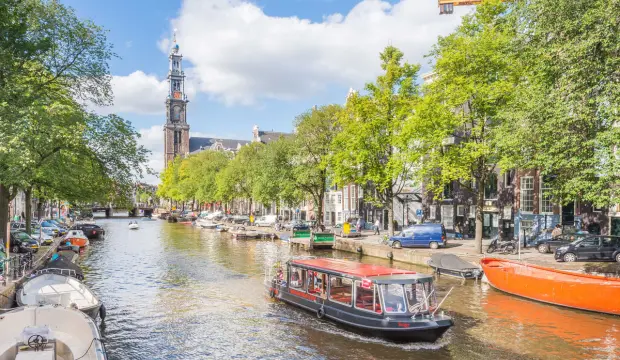
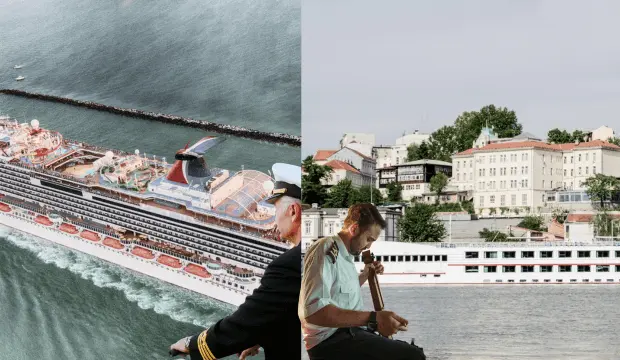
When you start planning a cruise vacation, the global travel industry immediately bombards you with two entirely different visions of luxury on the water. On one side, you have the massive ocean mega-ships—floating skyscraper cities carrying 5,000 passengers, complete with rollercoasters, massive casinos, and broad theater stages. On the other side, you have the sleek, intimate river cruisers that slide gracefully down the historic waterways of Europe, carrying fewer than 200 guests. To an amateur traveler, it looks like a simple choice of size. But from an insider's perspective, these two cruise styles operate on entirely different worlds of hospitality, pacing, and geographic exploration.
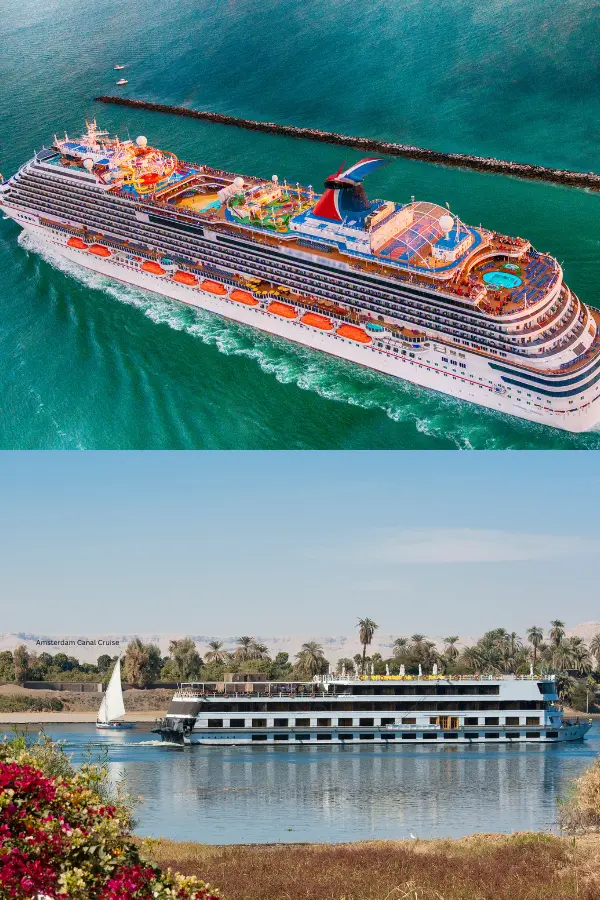
Let’s analyze the raw reality of ocean cruising first. The massive ocean liners are incredible engineering marvels designed for travelers who love constant high-energy entertainment, grand architectural spaces, and days spent entirely at sea crossing deep blue waters. However, because of their immense structural size, these mega-ships are completely restricted to industrial deep-water ports. This means when you drop anchor, you are often docked miles away from the actual historic cities, forcing you into expensive, slow-moving group transfer buses just to see a single monument. Furthermore, walking the decks alongside thousands of crowded tourists can fast turn a peaceful vacation into a stressful logistical sprint.
“"The ocean has a way of stripping away the noise of the world, leaving only the truths you were running from."
Now, contrast that with the intimate architecture of a premium river cruise. A river boat is built with a narrow, low-profile hull designed specifically to clear ancient stone bridges and navigate complex inland lock systems with centimeters to spare. The biggest structural victory of river cruising is its incredible docking precision. Because these vessels are small, they don't dock in industrial outer harbors; they tie up directly at the city center riverbanks. You step off the gangway and you are instantly standing on the cobblestones of a medieval German village or steps away from a vineyard in France. There are no tenders, no port lines, and zero crowds.
The onboard culture undergoes a massive transformation as well. Ocean cruising is loud, theatrical, and highly commercialized, with constant up-selling at bars and specialty restaurants. River cruising is a deeply tranquil, culturally immersive experience focused on local history, regional wines, and peaceful scenery sliding past your floor-to-ceiling cabin window. On a river boat, you actually get to know the crew and fellow travelers on a first-name basis within three days. There are no massive broadway lines or waterslides; instead, you get intimate lounge conversations, local musicians, and deep regional culinary experiences that match the ports you explore.
This fundamental structural difference is exactly why we are preparing our upcoming premium booking advisor integrations. Very soon, right inside this portal, you will be able to run an intelligent preference engine that audits your personal travel style, budget, and destination goals. Instead of blindly trusting generic travel agents who are just chasing corporate commission targets, you will get an independent, unedited breakdown matching you with the exact river or ocean cruise line that suits your vibe, complete with exclusive, lower corporate rates and insider cabin selection tricks.