Peak season Alaska cruises run from June through August, offering the absolute warmest weather and the longest daylight hours of the year. This window represents the gold standard for wildlife viewing across the Inside Passage, as active whales and coastal bears emerge in full force against the pristine backdrop. However, for travelers seeking fewer crowds and sharper deals, the shoulder seasons in May and September provide cooler, crisp temperatures and a noticeably more relaxed, intimate cruise experience.
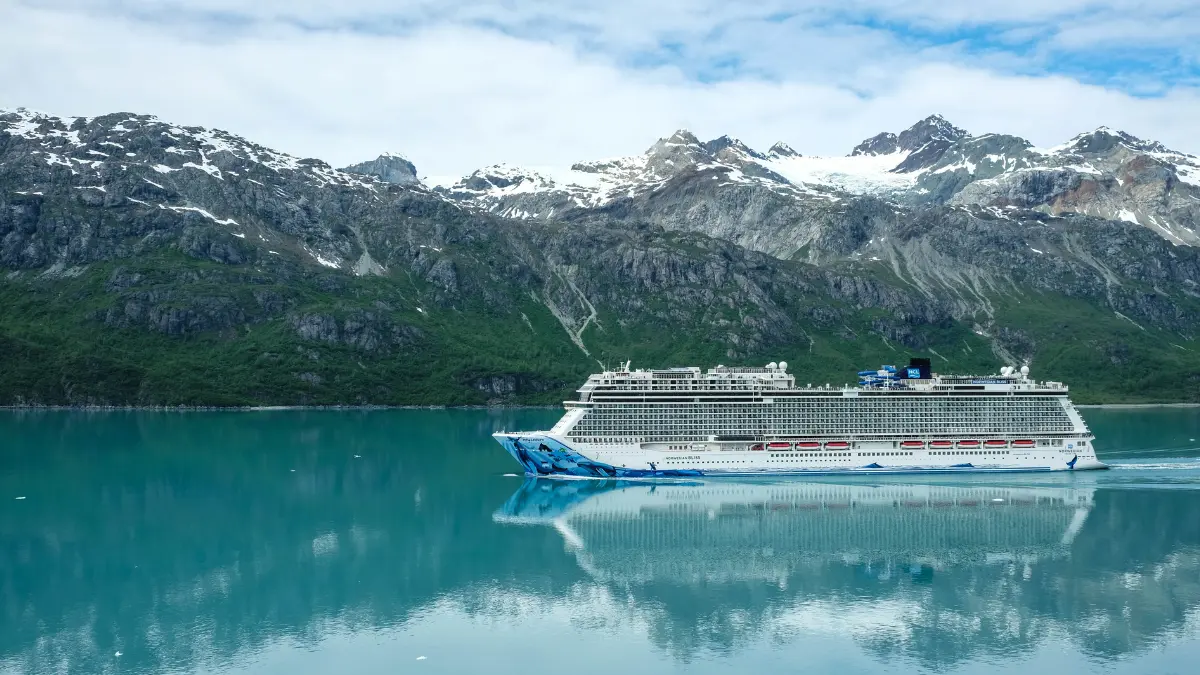
One major misconception among first-time cruisers is that an Alaskan voyage exposes you to the treacherous, rolling swells of the open Pacific Ocean. Having operated onboard these routes, I can tell you that the reality is entirely different. Because the ship glides almost exclusively through protected fjords and the magnificent Inside Passage, the water remains unbelievably smooth. There are virtually no rough seas here, making it an absolute paradise for smooth sailing and pure relaxation.
“"The ocean has a way of stripping away the noise of the world, leaving only the truths you were running from."
This flat, glassy water transforms your private balcony stateroom into the ultimate viewing platform. Unlike ocean crossings where you look out at endless blue water, an Alaskan cruise keeps you constantly flanked by majestic landscapes. You can comfortably lounge on your private terrace for hours, breathing in some of the crispest, cleanest air on planet Earth while watching the dramatic northern scenery slowly unfold before your eyes.
From that very balcony, the theatre of Arctic wildlife plays out in real-time. It is incredibly common to spot playful pods of dolphins racing alongside the ship's wake, or majestic humpback whales breaching and tail-slapping the calm waters. If you keep your binoculars focused on the rugged coastlines as the vessel maneuvers closer to the shore, you can frequently witness magnificent coastal bears foraging along the rocky beaches.
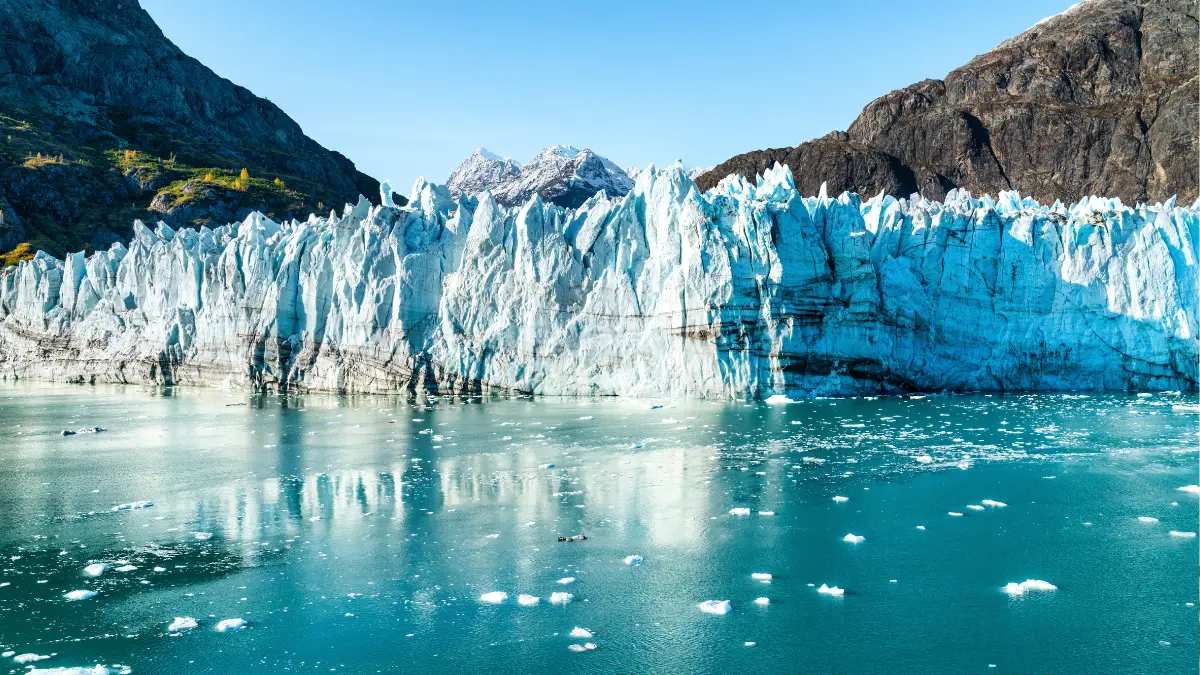
But the true pinnacle of this voyage happens when the captain gently steers the massive liner deep into the frozen heart of the fjords, directly approaching the towering ice walls of active glaciers. Standing out on the deck as the ship inches closer to these frozen monoliths is a spiritual experience. The quiet air is occasionally shattered by the thunderous roar of glacial calving—massive, brilliant blue ice chunks breaking off and crashing into the water below.